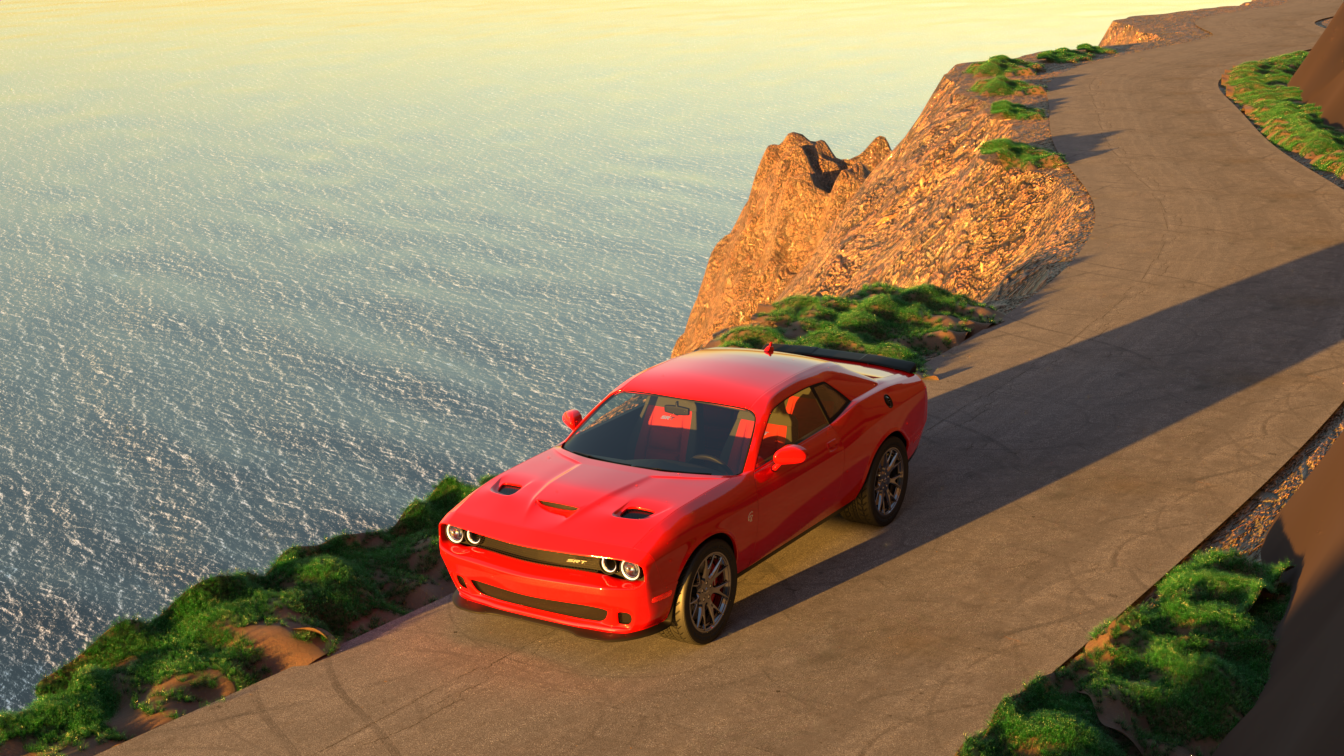
Blender: The Bridge Between Fantasy and Reality
In 1989 a young Dutch man named Ton Roosendaal abandoned his studies in Industrial Design to develop a piece of 3D animation software called NeoGeo. Initially housed in just an attic, NeoGeo would turn out to be the predecessor to Roosendaal’s next brainchild, a piece of software we now know as Blender.
Released to the public in January 1995, Blender has become a free open-source application. It is now competing against film industry-level 3D animation software to be the best of its kind. In an industry dominated by proprietary tools and technologies, the Blender crew decided in 2005 to put their creation to the test by attempting to make a 3D animated short film using only open-source tools. From then on, the Blender team have been releasing a consistent flow of fantastic short open-movies—with all files visible and accessible to other creators—such as Agent 327: Operation Barbershop (2017), Spring (2019), and Sprite Fright (2021). They did this for the public to see what their software was capable of, to show young artists and film enthusiasts that they are no longer limited to paid animation software like Maya, and Cinema 4D, standardly used by the film industry.
Blender is a stand-alone application; animators can go from early concept to finished film all within this single program. From film production to architectural visualisation to game design, Blender is truly the epitome of an application capable of all 3D work.
Blender’s user-friendly interface allows anyone with a computer and a measure of enthusiasm to completely immerse themselves in a world where creativity reigns supreme. Its all-powerful tools give you unfettered means to create worlds beyond your wildest envisionings. It allows you to unleash the artist within and to delve deep into realms in which the only limit is your imagination.